

PREIS School — International and European School of Perinatal, Neonatal, Reproductive & Postreproductive Medicine
Advancing maternal and neonatal care through high-quality postgraduate education, practical training and international scientific collaboration.
This image was generated using AI
In February 2012, leading experts in maternal-fetal and neonatal medicine, led by Gian Carlo Di Renzo, gathered at Palazzo Vecchio in Florence to found the PREIS School, originally conceived as the primary educational arm of the European Association of Perinatal Medicine. The founding agreement was also signed by the Municipality of Florence (represented by the Mayor), the Tuscany Region, and the president of the Istituto degli Innocenti. The latter served as the School's headquarters until 2024, when an amendment to the institution's regulations prohibited private entities from maintaining offices within the building.
The school was conceived as an educational initiative of the "Nascita e Cultura" Association—which holds the corresponding legal and administrative status—founded by Gian Carlo Di Renzo and the late Gianpaolo Donzelli. Following the 2017 reforms regarding "Third Sector" entities introduced by the Italian State, the association adopted the name "Nascita e Cultura Nuova ETS" and registered with the Ministry of Culture in 2026. The PREIS School constitutes the association's primary activity; the association is presided over by Prof. Gian Carlo Di Renzo.
Our mission
PREIS School brings together world-class clinical experts and practitioners to deliver up-to-date knowledge and hands-on clinical skills in perinatal, neonatal, reproductive & postreproductive medicine. Our programmes are designed to directly improve clinical practice and outcomes for mothers and babies.
History & milestones
Founded in Florence by Prof. Gian Carlo Di Renzo, PREIS School combines academic rigour with practical, clinically relevant training.
per year
attendees/year
represented
by participants
- 2012 THE BEGINNING
Founded in Florence at Palazzo Vecchio with the Municipality of Florence, Tuscany Region & Istituto degli Innocenti. - 2013 INTERNATIONAL EDUCATION BEGINS
14 courses · 320 participants - 2014 16 courses ·
410 participants - 2015 17 courses ·
450 participants - 2016 21 courses ·
520 participants - 2017 DIPLOMA OF EXCELLENCE
22 courses · 550 participants. Structured pathway for advanced postgraduate education introduced. - 2018 FIRST INTERNATIONAL COHORTS
24 courses · 620 participants - 2019 INTERNATIONAL EXPANSION
26 courses · 830 participants across Europe, Asia, Americas & Australia. - 2020 TRANSITION ONLINE
38 webinars · 5,000+ online participants - 2021 HYBRID MODEL
30 webinars · 2 in-person courses - 2022 COURSES RESUME
2 webinars · 15 courses. Diploma, clinical exchanges, simulation & OPUS Lab. - 2023 ON-SITE EXPANSION
10 webinars · 18 courses - 2024 PRACTICAL FOCUS
5 webinars · 16 courses. Case-based & hands-on training. - 2025 PROGRAMME GROWTH
3 webinars · 16 courses across maternal, fetal, neonatal & reproductive medicine. - 2026 NEW PLATFORM
26 courses expanded across Europe, Asia, Americas & Australia.
Leadership & Scientific Committee
Meet the School's leadership and international scientific committee — clinicians who design and teach our programmes.
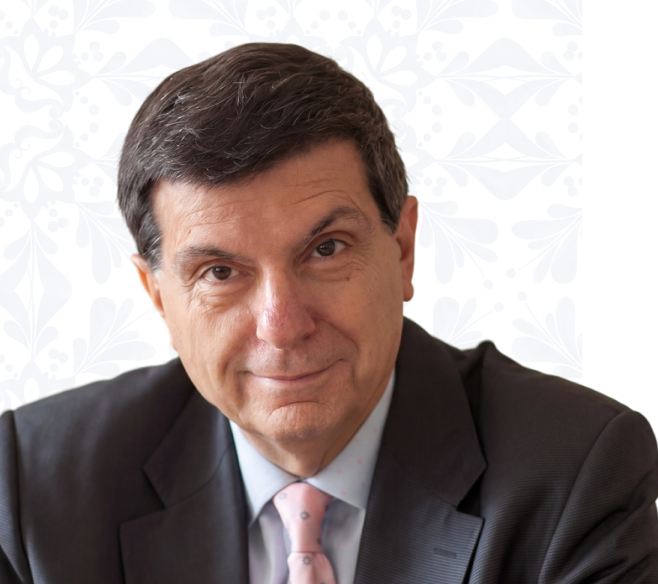
Professor of Obstetrics and Gynecology and Maternal Fetal Medicine, past Chair of the Department of Obstetrics and Gynecology, University of Perugia ( 2004-2022) . Full Professor, Dept of Obstetrics, Gynecology and Perinatal Medicine at the I.M. Sechenov First State University of Moscow. Director and publisher of the Alliance for Global Women’s Medicine ( GLOWM, London, UK) . General Secretary of FIGO (2012-2018) .President of the New European Surgical Academy ( NESA, Berlin). Honorary member of 34 different Scientific Societies. Honorary Professor and Doctor Honoris Causa in Medicine and Surgery at respectively 16 and 6 different Universities. Nine international awards in human reproduction and maternal-infant's health, scientific research, and teaching. Over 500 papers in peer reviewed international journals ( HI 76; i10 index 287; > 21 K citations) and more than 100 books. Invited speaker in over 2,000 national and international congresses and meetings and in academic courses in over 125 countries.

What we offer
We deliver flexible learning pathways to suit clinicians’ schedules and learning preferences: short on‑site courses, live online seminars, and blended programmes that combine remote theory with in‑person practical modules. Each format is designed to ensure clinical applicability and measurable skills transfer to everyday practice.
Know more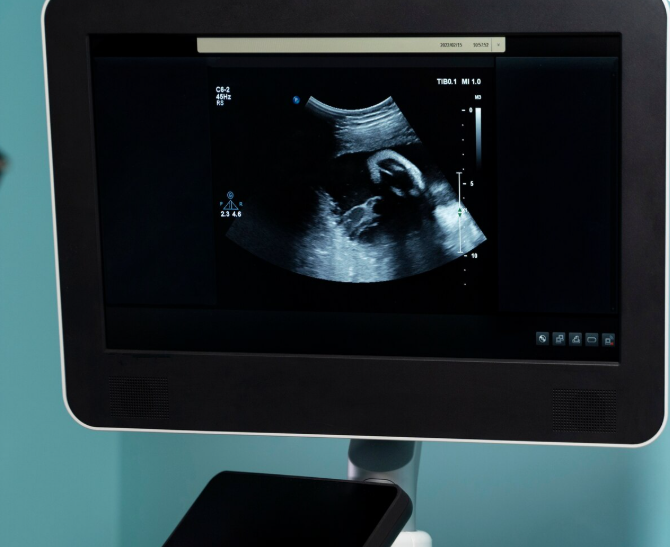
Focused modules cover the full diagnostic pathway: screening strategies, high‑resolution ultrasound technique, anomaly scanning protocols and fetal cardiac assessment. Courses emphasise image acquisition, interpretation and reporting, with practical cases and peer review to consolidate diagnostic confidence.
Know more Specialist programmes introduce the clinical indications, patient selection, multidisciplinary case planning and intra‑operative technique for fetal interventions. Trainees learn both the theoretical evidence base and the practical workflow required for safe fetal therapy in tertiary centres.
Know more Our diploma tracks combine sequential modules, assessed clinical tasks and mentorship to develop certified competence at an advanced level. Practical workshops and the OPUS Lab provide hands‑on skills training using simulation, live scanning practice and scenario‑based learning to accelerate procedural proficiency.
Know more We design tailored curricula for institutional partners — from one‑day practical workshops to multi‑module diploma pathways — aligning learning outcomes with local clinical needs and resource levels. Delivery options include on‑site faculty visits, train‑the‑trainer models and co‑branded partnership agreements.
Know more Key strengths

International
faculty
Experienced clinicians delivering evidence‑based training.
Applied, case‑based and hands‑on learning
Practical, case‑driven teaching to build clinical skills.
OPUS Lab and practical training
Realistic ultrasound simulation for safe hands‑on practice.
Flexible, adaptable programmes for institutions
Modular, customisable training for hospitals and universities.
Recognised diplomas and certificates
Assessed qualifications that verify competency.